
Healing Begins When We See How It All Connects
EMDR & Holistic, Integrative Psychotherapy
Making Sense of What You're Experiencing
Talking about difficult experiences can help us understand what happened and how it affected us. Therapy can also help us examine the patterns that develop around those experiences. How we interpret situations, respond emotionally, relate to others, and protect ourselves when something feels difficult.
Our work may include exploring these patterns, processing distressing memories, developing practical coping skills, or becoming more aware of how stress affects you. We draw from different therapeutic approaches based on your concerns and goals, rather than assuming the same method works for everyone.
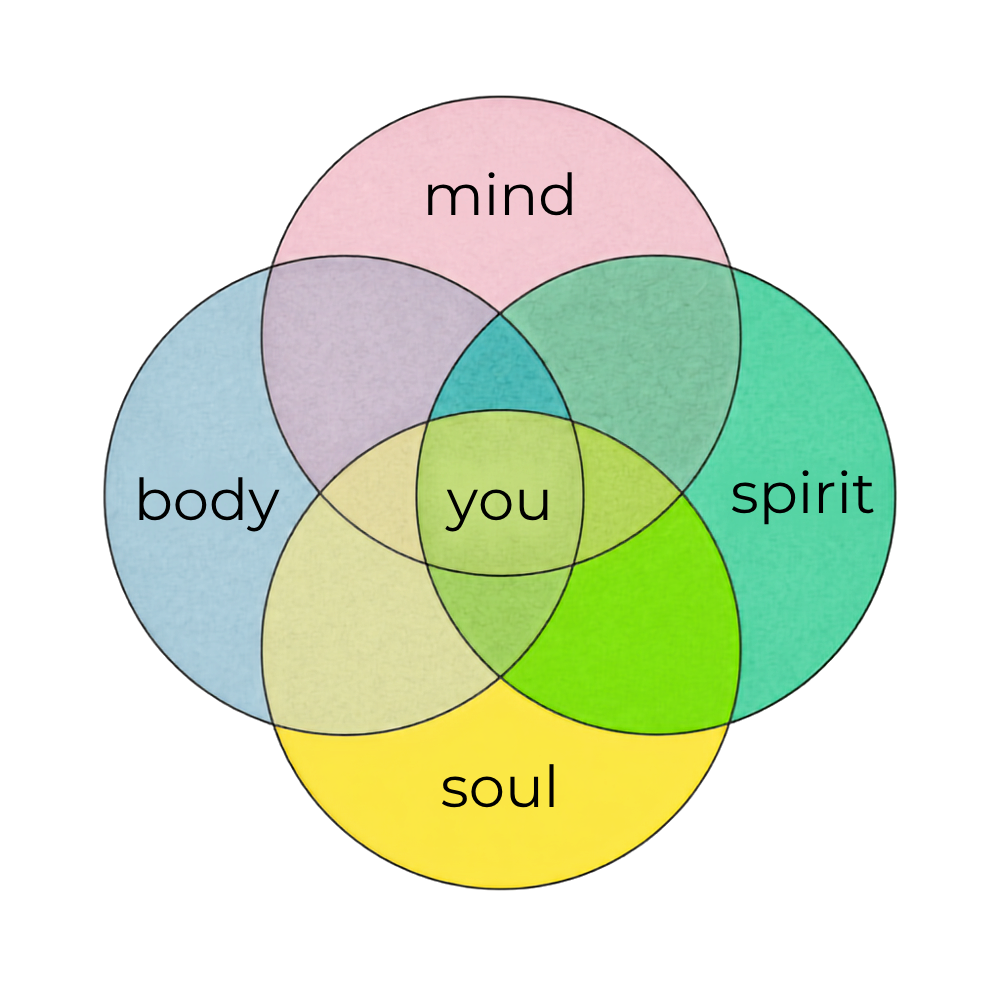
Person-Centered Care
People come to therapy for different reasons, and the same approach will not be helpful to everyone. Some people want help managing anxiety or depression. Others are trying to understand the effects of past experiences, navigate relationship difficulties, or make sense of reactions that feel difficult to change.
We begin by understanding what has brought you to therapy and what you would like to work on. Depending on your needs, treatment may include evidence-based approaches such as EMDR, CBT, or DBT, alongside parts work, Jungian-informed exploration, and mindfulness practices.
We consider your emotional experiences, personal history, relationships, and physical responses to stress as part of that process. Our aim is to develop a collaborative treatment approach that is relevant to your life and responsive to your needs.


Eye Movement Desensitization and Reprocessing (EMDR)
Difficult experiences can continue to influence how we think, feel, and respond long after they have happened. EMDR is a structured, evidence-based psychotherapy that supports processing distressing memories and experiences that may continue to affect a person’s emotional well-being and daily functioning.
How does EMDR Work?During EMDR, your therapist guides you through recalling aspects of a difficult memory while engaging in bilateral stimulation, such as side-to-side eye movements or alternating sensory input. This process may help reduce the emotional distress associated with difficult memories. Each person's experience and response to treatment is different.
Is EMDR Right for You?EMDR may be helpful for people experiencing distress related to trauma, PTSD, anxiety, or other difficult life experiences. Before beginning, we will discuss your history, needs, readiness, and treatment goals to determine whether this approach is appropriate. Preparation and additional support may be helpful before processing distressing memories.

Therapeutic Approaches
Parts Work & Self-Exploration
Sometimes we experience competing feelings or impulses. For example, wanting closeness while also feeling the need to protect ourselves. Parts work offers a way to explore these different responses with curiosity and compassion. Jungian-informed exploration may also help us examine recurring themes, personal meaning, and patterns that influence how we understand ourselves.
Mindfulness & Mind-Body Practices
Stress and emotional distress can affect both our thoughts and our physical responses. Mindfulness, grounding, and meditation can help us notice what is happening in the present moment and practice responding more deliberately. These practices may complement psychotherapy when they fit a client's needs and preferences.
Individual Integrative Psychotherapy
Individual therapy offers an opportunity to work on concerns such as anxiety, depression, self-esteem, relationship difficulties, and the effects of past experiences. Sessions may combine structured therapeutic tools with exploration of emotional patterns and personal history. We will determine the focus of treatment together and adjust our approach as your needs become clearer.
Meet Harold!
Hello, and welcome to Oneness Holistic Therapy!
Reaching out for therapy can feel like a big decision. You may have a clear idea of what you want to work on, or you may simply know that something isn't feeling right. Either way, you don't need to have everything figured out before beginning.
My work as a therapist focuses on helping people understand their experiences, navigate emotional difficulties, and recognize patterns that may be affecting their daily lives and relationships. I draw from evidence-based approaches, including CBT, DBT, and polyvagal-informed EMDR, as well as parts work and Jungian-informed psychology.
I have experience working with service members, students, and people from diverse cultural backgrounds. I also offer therapy in English and Spanish. I recognize that our backgrounds, relationships, and life experiences influence how we understand ourselves and the challenges we face.
My approach is collaborative and individualized. Together, we can identify what you would like to work on, consider which therapeutic methods may be helpful, and make adjustments as treatment progresses.
I welcome the opportunity to speak with you about what brings you to therapy and whether my approach may be a good fit!
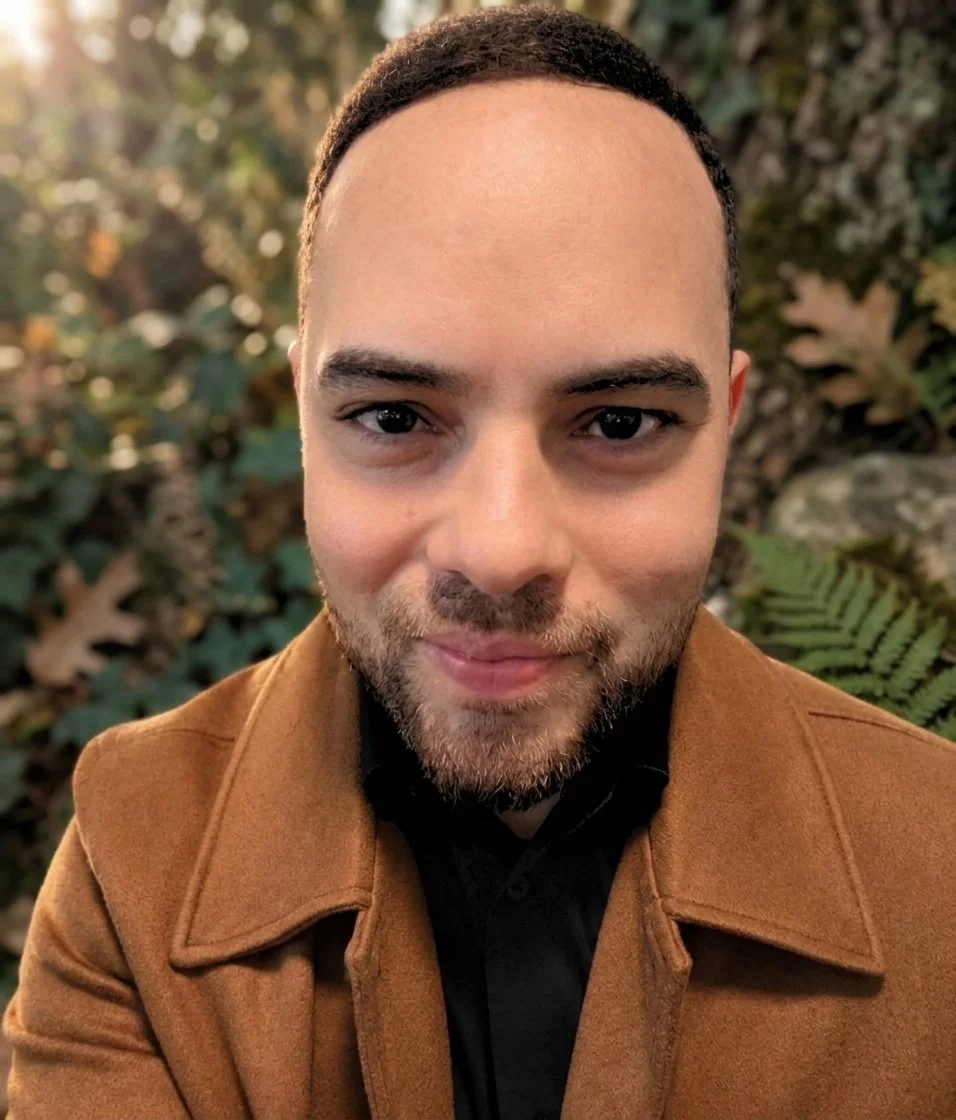
Harold Ayala-Rodriguez, LICSW
Clinician & Practice Founder

What Oneness Means to Us
We chose the name Oneness to reflect the relationship between the many dimensions of our human experience. Our thoughts, emotions, physical responses, relationships, and personal histories do not exist in isolation. Each influences how we understand ourselves and move through the world.
In therapy, this means looking beyond an isolated symptom or diagnosis to understand the person as a whole. By exploring these connections with compassion and curiosity, we can begin to understand why certain patterns persist, make sense of experiences we may have struggled to acknowledge, and develop a more intentional relationship with ourselves and others.
For us, Oneness is about honoring the complexity of who you are and recognizing that meaningful therapeutic work begins with understanding the whole person, not just the challenges they face.

We welcome you to our cozy space!
We intentionally created this warm and quiet setting for in-person therapy in Westfield, MA. We want you to feel at ease as we talk about what brings you to therapy and what you would like to work on.
Telehealth is also available for Massachusetts residents.
Location: 77 Mill St., Suite 229
Westfield, MA 01085
In-Network Insurances


Frequently Asked Questions
-
Eye Movement Desensitization and Reprocessing (EMDR) is a structured psychotherapy that helps people process distressing memories and experiences.
During treatment, a therapist guides the client through recalling aspects of a difficult experience while engaging in bilateral stimulation, such as side-to-side eye movements or alternating sensory input. EMDR may help reduce the emotional distress associated with difficult memories.
-
EMDR can be delivered through telehealth when the client, therapist, and treatment circumstances are appropriate.
We use a HIPAA-compliant platform to support the privacy and security of our virtual sessions and offer online tools for bilateral stimulation during EMDR.
We can discuss whether virtual EMDR is suitable for you, including privacy, available support, and how to manage distress during and after a session.
-
EMDR is commonly used to treat post-traumatic stress disorder (PTSD) and may also be helpful for people experiencing distress related to other difficult or overwhelming experiences.
Depending on the individual, treatment may address anxiety, distressing memories, emotional reactions, or negative beliefs about oneself that are connected to past experiences.
Whether EMDR is appropriate depends on each person's history, current concerns, and treatment goals.
-
EMDR is a collaborative process that moves at a pace suited to your needs and readiness. Treatment may include preparation, developing ways to manage distress, and processing difficult memories when appropriate. We will check in throughout the process and adjust our approach based on how you respond.
-
Yes! You do not necessarily need to leave your current therapist to pursue EMDR with us. When appropriate, with your consent, we can coordinate with your existing therapist to support continuity of care and help ensure that treatment approaches complement one another.
-
Individual therapy, often know as ‘talk therapy’, offers space to explore your thoughts, emotions, relationships, and life experiences at your own pace. It may incorporate different therapeutic approaches based on your needs and goals, helping you recognize patterns, develop insight, and find new ways to respond to life's challenges.
EMDR is a structured memory-based psychotherapy that focuses on processing distressing memories and experiences. It involves recalling aspects of an experience while engaging in bilateral stimulation guided by the therapist, such as side-to-side eye movements.
While integrative talk therapy often emphasizes conversation, reflection, and understanding your experiences, EMDR provides a more structured to working with distressing memories.
Both can be helpful, and they may be used separately or together depending on your needs, preferences, and treatment goals.
-
We encourage a brief, 15-minute phone consultation before beginning therapy. This is an opportunity for us to get to know one another, learn a little about what brings you to therapy, and explore whether our services may be a good fit for your needs. You’ll also have time to ask questions and learn more about our approach before deciding on the next steps.
This conversation can help us determine whether moving forward makes sense for both of us before beginning the intake process and completing paperwork.
-
Yes! We welcome clients who choose to pay out of pocket rather than use insurance. If you are considering self-pay, we can discuss session fees and payment options before beginning treatment. A sliding scale may also be available for eligible clients.
-
Yes! Therapy is available in both English and Spanish. We welcome clients who prefer to discuss their experiences in either language.
¡Sí! Ofrecemos terapia tanto en inglés como en español. Damos la bienvenida a quienes prefieren hablar sobre sus experiencias en cualquiera de los dos idiomas. -
Both! In-person appointments are available at our Westfield office, and telehealth through our secure, HIPAA-compliant platform.
We provide services to residents of Massachusetts and can help you determine which format best fits your needs.
Let's Talk About What Brings You Here
If you're considering therapy, you're welcome to reach out with questions or request a free 15-minute consultation. We can talk about what you're looking for, explain how we work, and explore whether Oneness Holistic Therapy may be a good fit.
You don't need to know exactly what to say or have a clear treatment goal before contacting us.
¡Hablamos español! Contáctanos con tus dudas y preguntas.